
Find Milk Bank
Hero Image
Transforming Lives Through Human-Milk Banking
At the South African Breastmilk Reserve (SABR), our impact is measured not only by the lives we save but also by the systemic change we drive. From reducing infant mortality to empowering mothers and advancing cutting-edge research, SABR’s work touches thousands of lives across South Africa every year.
Advocacy for Breastfeeding and Health Economics
As active members of the Maternal Neonatal Guideline and Breastfeeding Technical Working Groups of the National Department of Health (NDOH), SABR champions breastfeeding as a public health priority.
Breastfeeding
Algorithm
SABR has proposed a systematic breastfeeding algorithm to identify staffing needs in postnatal wards, factoring in ward size, bed count, and C-section rates. With public hospital C-section rates at 44%, many mothers face prolonged separations from their newborns, hindering essential practices like skin-to-skin contact and early latching—both critical for initiating lactation.
Health
Economics
SABR advocates for aligning public health budgets with the importance of breastfeeding. Reallocation of resources could enable greater breastfeeding assistance, improve lactation support, and expand human-milk banking services. This ensures breastfeeding is prioritised as an accessible and essential aspect of infant health.
Policy
Strengthening
SABR collaborates with healthcare providers and communities to re-engage post-pandemic breastfeeding initiatives. Our goal is to sustain and promote breastfeeding as an affordable, accessible, and beneficial choice for families from all backgrounds.
Research

While SABR’s innovative research drives advancements in human-milk banking, its true value lies in the lives it touches. From ensuring safer donor milk to supporting at-risk infants, our studies amplify the reach and effectiveness of our programmes. Learn more about the science behind our impact by exploring SABR’s dedicated research initiatives.

Placeholder Image
Challenges & Opportunities
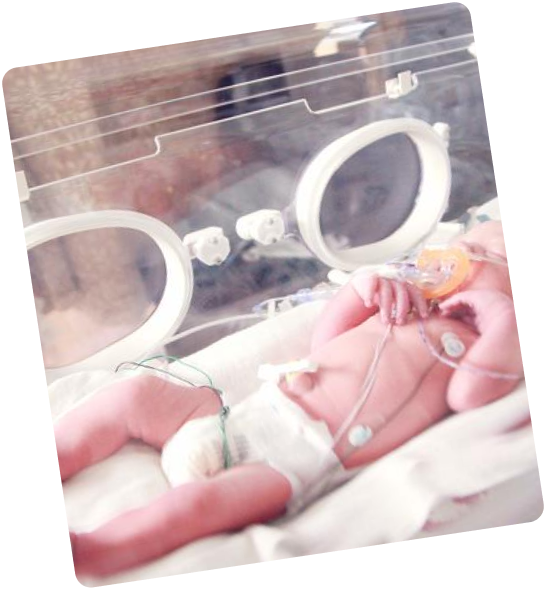
Accessing breastmilk in public care is often hindered by significant challenges, including:
Lack of Infrastructure and Resources
Many healthcare facilities lack the equipment and staffing needed to promote lactation and maternal health.
Health Impacts of HIV/AIDS
High rates of HIV/AIDS and associated illnesses, such as TB and meningitis, contribute to premature births, often leaving mothers too ill to lactate or, in some cases, unable to survive childbirth.
Social and Structural Barriers
Stigma, lack of awareness, and inadequate legislation to protect breastfeeding mothers exacerbate the challenges faced by many families.
SABR’s 15 years of experience have also highlighted issues specific to rural areas, where limited access to laboratories, electricity, and clean water complicates the safe and hygienic processing of donor breastmilk. These barriers underscore the need for innovative solutions, such as rapid testing technologies and low-cost, self-sustaining processing methods.
Programme Mission and Goals 
Mission Statement
Ensure compliance of human milk-banking facilities with national regulations. 
Programme Goal
Re-establish and support in-hospital human milk banks while raising awareness of the importance of breastfeeding. 
Take the Next
Step

Bring SoSAFE to your facility and set a new standard in breastmilk safety.

Ready to Learn More?

Email us at SoSafe@sabr.org.za to explore implementation options, pricing details, and how SoSAFE fits into your existing infrastructure.